







Search Results for: dry method
A Complete Guide to Green Coffee Processing: Washed, Natural, and Honey Processing Methods and Their Flavor Differences
From harvesting to becoming green beans that can be stored long-term, coffee cherries must undergo processing. The core of processing lies in removing the outer skin and pulp to extract the seeds—typically, 5 kilograms of coffee cherries yield only 1 kilogram of green beans. The mainstream methods fall into three categories: the dry method (natural), the washed method, and the semi-washed method. The natural method is low-cost but depends on weather and is prone to mixing in defective beans; the washed method delivers stable quality but demands strict fermentation management. Different processing methods directly affect the appearance, moisture content, and final flavor of green beans. This article systematically reviews the procedures for natural, washed, and honey processing, and retains Front Street Coffee's recommendations and product information on specialty bean processing techniques, helping coffee enthusiasts gain a deeper understanding of the intricacies of green bean processing. [more…]
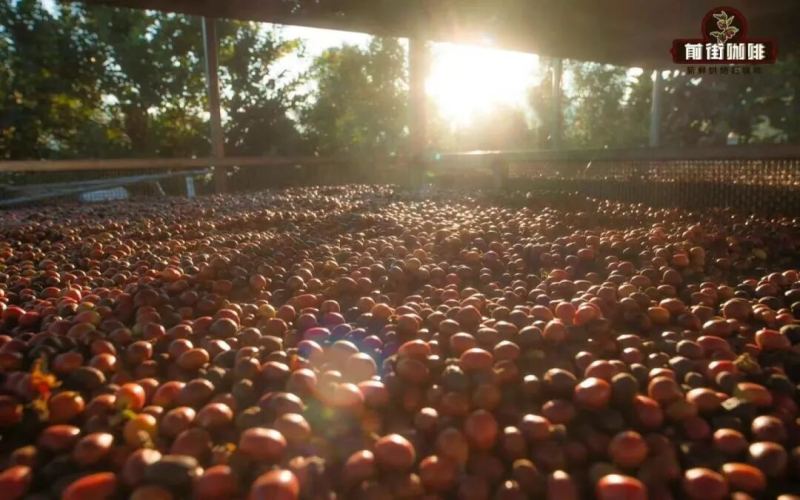
Coffee Processing Methods | What is the difference between semi-washed, natural, washed, and honey processing? What flavor and mouthfeel characteristics do different processing methods give coffee?
The natural process, as the name suggests, is to spread the harvested coffee cherries flat on the ground (on dedicated drying nets or patios) and use direct sunlight (for about 2-3 weeks) to remove moisture from the coffee fruit until the moisture content reaches the target level, after which machines are used to remove the dried husk to obtain the green coffee beans we want. Natural process [more…]

A Detailed Explanation of the Three Major Green Coffee Processing Systems: The Process Differences Between Natural, Washed, and Semi-Dry Methods
The processing method of green coffee beans directly determines the flavor direction of the final cup. From the oldest sun-drying to the washing process invented by the Dutch in the 18th century, and then to the semi-dry processing in between, each method has left a unique mark on the coffee beans. Sun-drying gives the beans complex fruity notes and fermented sweetness, while washing brings clean and bright acidity and the true taste of the producing region. Honey processing and pulped natural methods, while retaining a little mucilage, create a flavor spectrum between the two. In addition, locally adapted innovative processes such as Indonesia's wet-hulling method have also added distinctive regional characteristics to the coffee world. This article will take Front Street Coffee's cupping experience as an example to break down the principles, steps, and flavor performance of these processing methods one by one. [more…]
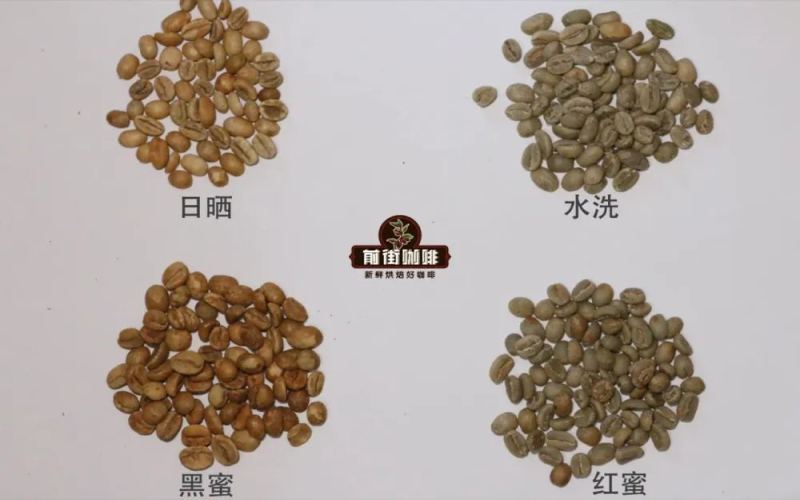
A Complete Guide to the Three Major Coffee Bean Processing Methods: Production Processes and Flavor Differences of Natural, Washed, and Honey Processing
The flavor profile of a cup of coffee is determined not only by variety and roasting, but also decisively by how the green beans are processed. The coffee industry currently groups processing methods into three major categories: natural processing (dry method), washed processing (wet method), and honey processing (semi-dry method). The natural method lets whole coffee cherries dehydrate and dry directly in the sun, giving the beans rich, complex fruity aromas and fermented sweetness; the washed method removes the skin and pulp and involves tank fermentation, producing a clean, bright profile with pronounced acidity; honey processing falls between the two, deliberately retaining some mucilage during drying, creating a distinctive fermented aroma and sweetness. Front Street Coffee will walk through the specific steps, key control points, and flavor outcomes of these three processing methods one by one, helping coffee lovers build a clear framework for understanding processing methods and find the cup that best suits their taste. [more…]
What are the differences between natural, washed, and honey processing? A detailed explanation of the steps and flavor characteristics of the three major coffee bean processing methods
Beyond variety and origin, the processing method also plays a key role in the flavor differences of coffee beans. The mainstream coffee processing methods today can be broadly divided into three major categories: natural processing (dry method), washed processing (wet method), and honey processing (semi-dry method). Different processing procedures give coffee beans distinctly different aromas, acidity, and sweetness. In the following text, Front Street Coffee will explain one by one the specific steps of these three processing methods, their respective characteristics, and the flavor performance found after cupping, to help coffee enthusiasts more systematically understand the impact of processing methods on coffee flavor. [more…]
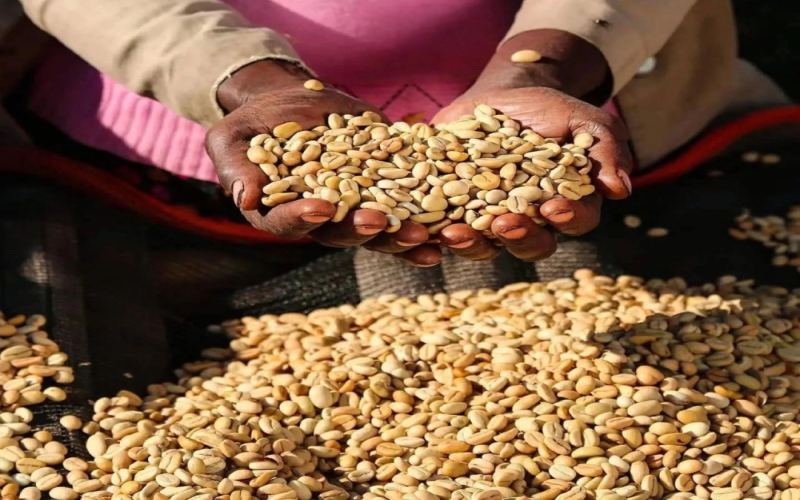
How Does the Semi-Washed Method Differ from the Natural, Washed, and Honey Methods? An Analysis of the Flavor and Mouthfeel Characteristics of Semi-Washed Coffee
The processing method of green coffee beans directly determines the final flavor expression in the cup. Natural, washed, honey, and semi-dry processes each have their own unique craft logic and flavor direction. This article systematically sorts out the core differences among the three major categories of processing methods, provides an in-depth analysis of the origins, key operational points, and flavor characteristics of the semi-dry method (including pulped natural and honey processing), and, combined with Front Street Coffee's cupping experience, helps coffee enthusiasts understand the impact of different processing methods on coffee taste, offering a reference for daily bean selection and tasting. [more…]

How Do Washed and Natural Coffee Beans Differ? A Clear Explanation from Silver Skin and Color to Flavor
Faced with a dazzling array of coffee beans, how can you quickly tell whether they are sun-dried or washed? In fact, as long as you grasp the basic processes of the two processing methods, and then combine them with the color of green beans, the silver skin of roasted beans, and the performance in the cup, you can easily distinguish them. The sun-dried method has a long history and relies on natural drying, so sugars easily seep into the bean surface; the washed method uses water tank screening and soaking to give coffee a cleaner tone. This article will start from the processing steps and compare one by one the differences between sun-dried and washed in green beans, roasted beans, and flavor, and use Front Street Yirgacheffe Sun-Dried Red Cherry and Washed Gudingding as examples to provide specific brewing comparisons, helping you quickly establish a basis for judgment in daily tasting. [more…]
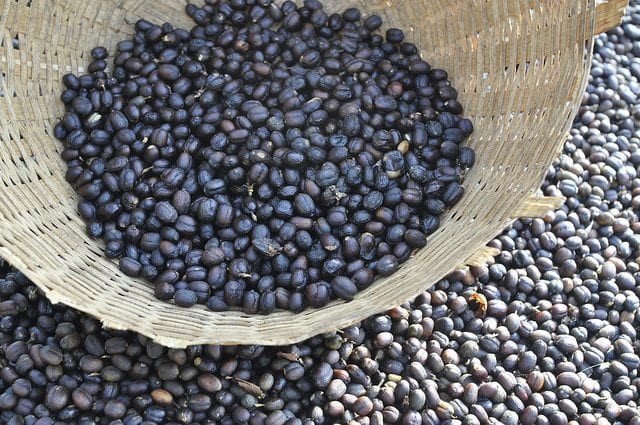
Sun-Dried Yirgacheffe | What are the pros and cons of the sun-dried processing method for Yirgacheffe coffee beans? What are the flavor characteristics of Ethiopian sun-dried coffee?
For more specialty coffee knowledge, please follow our WeChat official account: FrontStreet Coffee. Sun-dried processed coffee beans are naturally dried inside the fruit pulp, so the weather conditions affect the quality of the coffee beans. Front Street uses sun-dried coffee beans and two other traditional processing [more…]
How Does the Natural Process Shape Coffee Bean Quality and Flavor? A Complete Breakdown of Steps, Pros, and Cons
The natural process, as the oldest method of coffee processing, can be traced back to the method used by Arabs in the 11th century. This natural drying technique requires no large amount of water and is low in cost, making it widely popular in water-scarce regions. However, the natural process also faces challenges such as contamination by impurities, uneven drying, and mold and rot. This article will break down the four steps of the natural process in detail—removing floating beans, sun drying, observation, and removing the husk—and analyze its positive and negative effects on coffee bean quality. At the same time, we will also explore how the natural process amplifies the coffee's own flavors, bringing a rich body and sweetness, and include Front Street Coffee's pour-over brewing suggestions to help enthusiasts better experience the charm of naturally processed beans. [more…]

Analysis of the Flavor of Brazilian Sun-Dried Yellow Bourbon Coffee: From Processing Method Differences to an Introduction to the Quality of Queen's Farm
Brazil, as the world's largest coffee producer, has always drawn attention for its processing methods and flavor characteristics. This article starts with the differences between the natural sun-dried method and the washed method, offers an in-depth analysis of the taste profile of Brazilian coffee, and focuses on the naturally processed Yellow Bourbon coffee beans from Queen's Farm—these beans are full of sweetness, rich in fruity notes, and have a long-lasting aftertaste, performing excellently whether brewed as a single origin or used as an espresso blend bean. Front Street Coffee recommends that you keep an eye on this Brazilian specialty bean that combines balance and sweetness. [more…]

Natural, Washed, Semi-Natural, and Honey Processing: A Full Analysis of the Process Differences and Flavors of Four Coffee Bean Processing Methods
In today's increasingly thriving specialty coffee scene, roaster and cupper have gradually become popular professions, and many coffee professionals and enthusiasts also see roasting as a direction for entrepreneurship. The final flavor of a coffee bean is influenced by numerous factors—variety, processing method, regional terroir, and even the type of shade tree—making the variables many and difficult to clarify one by one. Nevertheless, each factor still has its own discernible patterns and characteristics, among which the processing method is particularly critical in shaping flavor direction. This article will take the four mainstream processing methods—natural, washed, semi-washed, and honey—as its framework, systematically sorting out each one's technical principles, key operational points, flavor characteristics, and representative coffee beans, to help readers build a systematic understanding of coffee processing methods. [more…]
Coffee Processing Methods | Wet-Hulled, Semi-Washed, Honey Process, Pulped Natural — Detailed Steps, Flavor and Mouthfeel Comparison of Coffee Beans
We all know that different processing methods can give coffee a rich and varied flavor profile. For example, Front Street Coffee's bean list alone features dozens of varieties, covering more than ten different processing methods. Today, Front Street will focus specifically on wet-hulled, semi-washed, and pulped natural [more…]

What are coffee green bean processing methods? What are the operational procedures for the natural, washed, and honey processing methods? What are the differences, characteristics, and flavor profiles of natural, washed, and honey processed coffee?
Coffee green beans are not simply picked from the tree and then roasted and brewed right away; achieving good flavor requires many steps. People often assume that coffee flavor depends on variety, growing environment, and cultivation methods, but what they don't realize is that there is an important stage between growing and roasting called "coffee bean processing." [more…]

Flavor Characteristics of Natural Process Coffee Beans, Process Advantages and Disadvantages, and Analysis of Two Representative Natural Beans
The processing method of coffee beans largely determines the flavor direction of the final cup, and natural sun-drying, as the oldest green bean processing technique, is still widely adopted by many producing regions around the world today. From the perspective of Front Street Coffee, this article systematically reviews the complete sun-drying process—from fruit picking and screening, natural drying, to depulping and hulling, and storage—and provides an in-depth analysis of the advantages and limitations of this processing method. At the same time, the article will also introduce two representative sun-dried coffee beans: Ethiopian Huakui and Panama Elida Estate Sun-Dried Typica, helping readers gain a more comprehensive understanding of how sun-drying gives coffee a rich fermented character, full sweetness, and abundant layers. [more…]
A Complete Analysis of the Natural Process: Green Coffee Bean Processing, Pros and Cons, and Classic Natural Coffee Recommendations
Natural processing is the oldest method of green coffee processing. With its vivid fruity notes and fermented wine-like aromas, it is now being revisited by more and more producing regions. This article provides a complete overview of the natural method's processing flow, including fresh cherry harvesting and sorting, sun-drying, hulling and mucilage removal, and warehousing for export. It also objectively analyzes its cost advantages and quality risks, and explains why natural beans have such intense, layered flavors. At the end, Front Street Coffee selects two representative natural coffees—Ethiopia Hachira and Panama Elida Estate Natural Typica—for your purchasing reference. [more…]
Post-Harvest Processing of Coffee Cherries: Dry and Washed Method Workflow Characteristics and Hulling & Screening Analysis
Coffee cherries must be processed quickly after picking, otherwise the pulp is prone to fermentation and spoilage. Currently, two main methods are used: the dry method (natural process) and wet processing (washed method). In the dry method, the cherries are sun-dried directly or mechanically dried, then hulled in a drum and screened, with peaberries picked out separately; in wet processing, the fruit pulp is first washed off, then the beans are fermented in water for 36 hours, dried and hulled, and graded and packaged by size. Usually, washed beans are of better quality. Whether by hand or machine, screening can remove unripe and inferior beans, and high-quality producing countries have long been equipped with advanced sorting equipment. Front Street Coffee reminds you that understanding these steps helps you appreciate the flavor differences brought by different processing methods. [more…]
From Natural to Honey Processing: A Complete Guide to the Flavor Differences and Signature Beans of the Four Major Coffee Processing Methods
In the world of specialty coffee, the flavor a cup of coffee ultimately presents depends not only on variety and origin—the processing method also plays a pivotal role. Natural, washed, semi-washed, honey—what exactly do these frequently mentioned terms mean? And how do they shape such distinctly different aromas and tastes? This article will sort through the origins and development of these four mainstream processing methods one by one, from the principles of the craft to their flavor tendencies, and then to the representative beans from Front Street Coffee corresponding to each—guiding you through a systematic understanding of the logic behind coffee bean processing methods. [more…]
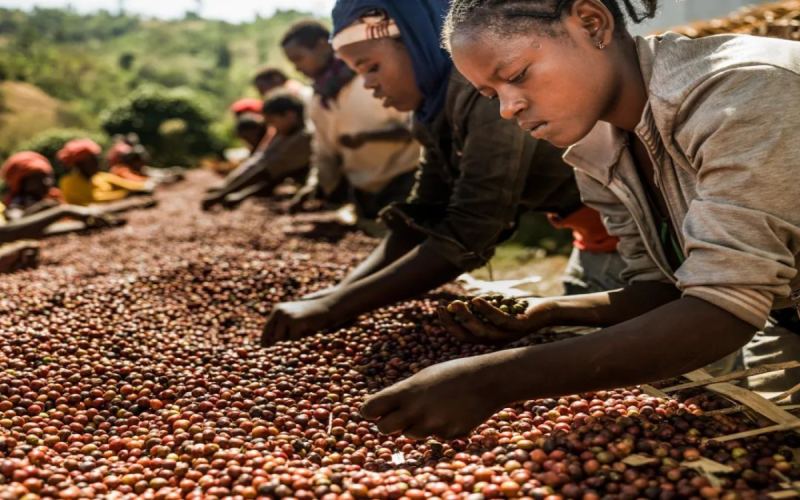
Introduction to Coffee Bean Processing Methods | Why Does Natural Coffee Have High Sweetness and Fermented Flavors? 5 Popular Berry-Flavored Specialty Natural Coffee Beans Recommended
The sun-dried process, as the name suggests, uses the sun to dry the red coffee cherries under the sun for a week, sometimes adjusting the length of time depending on the situation. Once the fruit skin and pulp have been dried into a dark color, a hulling machine is used to remove the skin and pulp, and finally the defective beans are picked out and it's all done. The benefits of the sun-dried process [more…]
What types of sun-dried processing methods are there for coffee beans? A full analysis of the differences between natural and semi-natural processing techniques.
The impact of coffee processing methods on green bean flavor is akin to the influence of winemaking techniques on wine; different processing methods can bring out completely distinct characteristics. This article will systematically outline the origins, procedures, and flavor traits of the natural process, and compare the similarities and differences among mainstream methods such as the washed process, semi-washed process, and honey process, helping enthusiasts understand the logic behind each processing method and its expression in the cup. The article also combines several representative beans from Front Street Coffee to provide specific purchasing references. [more…]
Wet-Hulled, Semi-Washed, Pulped Natural, and Honey Process: A Complete Analysis of the Flavor Differences Among Four Coffee Processing Methods
Following our previous discussion of the two major processing methods—natural and washed—this time we turn our attention to several post-harvest processes that fall between them: wet-hulled, semi-washed, pulped natural, and honey processing. How is each of these methods carried out? And what impact do they have on coffee flavor? We'll still start with the structure of the coffee cherry: from the outside in, the fruit consists of the outer skin, pulp, mucilage, parchment layer, silver skin, and the coffee bean seed itself. The core goal of all processing methods is simply to remove the outer layers and extract the seed. However, differences in the method, timing, and degree of removal lead to vastly different results in the cup. This article will break down these processing methods one by one—their procedural details, flavor tendencies, and the subtle connections between them—to help coffee enthusiasts more clearly understand the key role processing plays in shaping flavor. [more…]